
Spleen Surgery in Ahmedabad
Laparoscopic and endoscopic treatment for acid reflux, hiatal hernia, achalasia, esophageal strictures and esophageal cancer, planned around the specific test results and symptom pattern of each case.
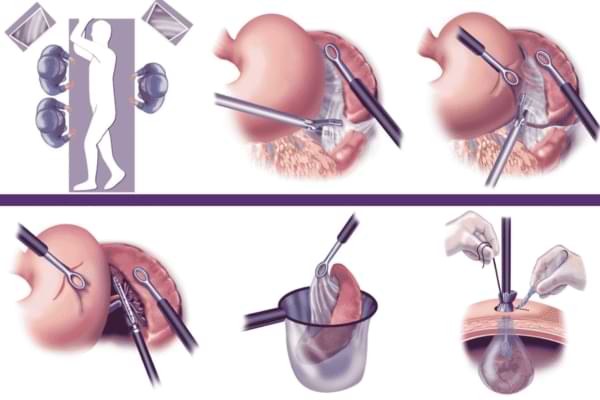
The spleen is a specialized vascular organ positioned in the upper left abdomen that filters blood, manages old red blood cells, and helps generate initial immune responses. While many spleen issues stem from underlying systemic or blood disorders managed medically, physical structural damage, extreme enlargement, or localized destruction of blood platelets require targeted surgical intervention.
Spleen Surgery Covers a Specific Range of Conditions
Spleen Trauma & Rupture
Blunt force abdominal injuries from accidents or severe impacts can tear or fracture the fragile, blood-rich capsule of the spleen. This causes rapid, dangerous internal bleeding into the abdominal cavity, frequently presenting as an emergency that requires immediate surgical stabilization or removal.
Massive Splenomegaly (Enlarged Spleen)
An extreme enlargement of the spleen caused by long-standing liver disease (such as cirrhosis causing portal hypertension), certain infections, or hematological malignancies like lymphoma and leukemia. When the spleen grows excessively, it causes structural pressure on the stomach and carries an elevated risk of spontaneous rupture.
Idiopathic Thrombocytopenic Purpura (ITP)
An autoimmune blood condition where the body’s immune system mistakenly produces antibodies that target and destroy its own blood clotting platelets. Because the spleen is the primary site where these marked platelets are destroyed, removing it is a highly effective secondary option to restore safe platelet counts when medical therapies fail.
Hereditary Blood Disorders (Thalassemia & Spherocytosis)
Genetic conditions that alter the normal shape or stability of red blood cells. The spleen recognizes these altered cells as abnormal and filters them out at an accelerated rate, leading to chronic anemia, gallstone formation, and progressive spleen exhaustion that can be halted through surgical removal.
Spleen Surgery in Ahmedabad
Procedures We Perform
Spleen operations, known clinically as splenectomies, are categorized by the urgency of the case and the physical size of the organ.
Laparoscopic Splenectomy
for Benign and Moderately
Sized Lesions
The surgical removal of the spleen through several small abdominal incisions using high-definition cameras and specialized vessel-sealing instruments. This minimally invasive route is the primary choice for standard autoimmune conditions (like ITP), small cysts, and moderate splenomegaly.
Operating laparoscopically results in minimal tissue disruption, significantly lower post-operative pain, and a rapid transition back to regular daily routines.
Open Splenectomy
for Emergency Trauma and
Massive Enlargement
A traditional approach where the spleen is removed through a larger incision made under the left ribcage or down the midline of the abdomen. This open route is mandatory for acute trauma cases with active, heavy internal bleeding where immediate visual control of the major splenic blood vessels is vital to save lives. It is also utilized when the spleen is too massive to safely manipulate or remove through small laparoscopic ports.
Partial Splenectomy
for Localized
Cysts
An uncommon but valuable procedure where only the diseased or cystic section of the spleen is excised, leaving the remaining healthy tissue intact. This approach is considered primarily for non-cancerous structural cysts in younger patients, aiming to preserve the organ’s critical immune and blood-filtering functions.
Before Spleen Surgery: What to Expect
Because the spleen is deeply connected to the immune system and blood volume regulation, elective cases require an intensive pre-operative immunization and optimization phase.Every minimal-access procedure follows a highly coordinated, structured sequence to optimize visualization and guarantee safety.
1. Hematological Optimization
A comprehensive review of complete blood counts, coagulation profiles, and platelet trends. For ITP patients, targeted medical management is coordinated to boost platelet counts to a safe threshold prior to the incision.
2. Pre-Operative Immunization (Critical Step)
Because the spleen filters specific encapsulated bacteria, patients undergoing an elective splenectomy must receive essential vaccinations (against Pneumococcus, Meningococcus, and Haemophilus influenzae) at least 2 weeks before surgery to build vital long-term immune protection.
3. High-Contrast Abdominal Imaging
High-resolution CT scans or MRIs of the abdomen are performed to document the precise dimensions of the spleen, check for accessory spleens (small extra pockets of spleen tissue), and map out the local vascular anatomy.
4. Surgical Access Planning
The imaging details and platelet stability are evaluated together to decide whether a minimal access laparoscopic approach is safe or if an open approach is the more stable path for the patient's anatomy.
Recovery After Spleen Surgery
Post-operative care is focused on managing abdominal healing and initiating long-term protocols to prevent post-splenectomy infections.
Days 1–3
Following a laparoscopic procedure, oral clear fluids are started early and progress to a regular soft diet as bowel patterns resume. Blood counts are checked daily to track the immediate upward bounce in blood platelets. Most laparoscopic patients are discharged within 48 to 72 hours.
Week 1
Patients manage mild local soreness with prescribed oral pain relievers and maintain regular daily walking. Incision lines are kept clean and completely dry.
Weeks 2–4
Physical energy levels return to baseline. While standard walking and light work activities are encouraged, heavy straining, lifting, and contact sports must be strictly avoided to protect the internal healing sites.
Weeks 6+
A formal follow-up review confirms stable wound healing and normalizes long-term blood count baselines. The patient is provided with a detailed post-splenectomy care plan outlining the importance of timely booster vaccines and prompt treatment for any future sudden fevers.
Meet Dr Sourabh Damani
Spleen Surgeon
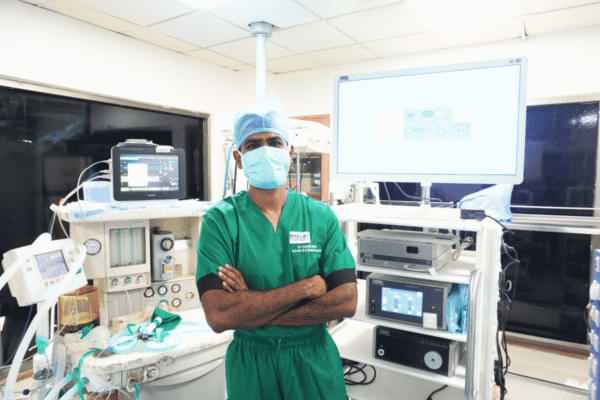
Practising as a Gastrointestinal and Laparoscopic Surgeon in Ahmedabad, with a focused interest in minimal access solid-organ surgeries, emergency trauma management, and collaborative hematological interventions.Practising as a Gastrointestinal and Advanced Laparoscopic Surgeon in Ahmedabad, dedicated to minimizing patient recovery times through sophisticated minimal-access and extraperitoneal surgical techniques

Performs laparoscopic and open splenectomies for hematological conditions, massive splenomegaly, and splenic cysts.
Manages emergency abdominal trauma surgeries and rapid vascular stabilization for splenic ruptures.
Coordinates pre-operative immunization protocols and hematological optimization pathways alongside expert hematologists.
Focuses on meticulous anatomical dissection to locate and clear accessory spleens, preventing long-term recurrence of autoimmune blood disorders.
Spleen Surgery in Ahmedabad: Frequently Asked Questions
Can a person live a normal life without a spleen?
Yes, you can live a full and active life without a spleen. Other organs, primarily the liver and lymph nodes, step in to take over the role of filtering old red blood cells and managing basic waste products. However, because the spleen plays a specific role in fighting off certain encapsulated bacterial infections, individuals without a spleen carry a slightly higher lifetime risk of serious infections and must follow regular vaccination schedules.
Why is it necessary to get vaccinated before having spleen surgery?
The spleen is the body’s primary defense against specific types of bacteria that cause severe conditions like pneumonia and meningitis. Getting vaccinated at least 2 weeks before an elective surgery gives your immune system enough time to build protective antibodies, keeping your body well-defended after the organ is removed.
What is an accessory spleen, and why does it matter during surgery?
An accessory spleen is a small, separate nodule of healthy spleen tissue that forms during development, present in roughly 10% to 15% of people. During a splenectomy for conditions like ITP, it is vital for the surgeon to locate and remove these hidden accessory pockets. If left behind, they can grow larger over time and cause the original autoimmune blood disorder to return.
How does an enlarged spleen cause a person to feel full quickly?
The spleen sits directly adjacent to the upper curve of the stomach. When the spleen becomes significantly enlarged (splenomegaly), it physically presses against the stomach wall, restricting the stomach’s ability to expand normally during meals. This leads to a clinical symptom known as early satiety, where you feel completely full after eating only a small amount of food.
Book an Appointment for Spleen Surgery in Ahmedabad
Please bring all recent complete blood count (CBC) records, hematologist evaluation notes, abdominal CT scan discs or reports, and any prior vaccination logs. The first clinical consultation focuses on checking your hematological stability and mapping out a structured pre-operative care schedule.