Rectum and Anal Canal Surgery in Ahmedabad
Advanced surgical and minimally invasive treatment for hemorrhoids (piles), anal fissures, rectal prolapse, complex fistulas, and rectal cancer, planned around individual clinical findings, staging, and diagnostic imaging.
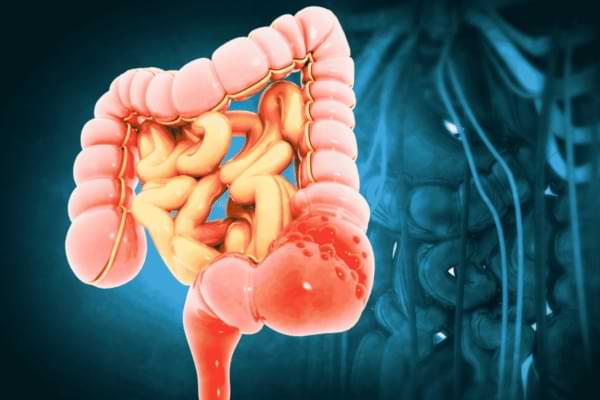
The rectum and anal canal form the terminal segment of the digestive tract, responsible for waste storage and controlled elimination. Conditions here can cause significant pain, bleeding, or structural displacement. Because the anatomy involves sensitive nerve endings and sphincter muscles, treatment is precisely matched to the specific disorder.
Rectum and Anal Canal Surgery Covers Multiple Conditions
Hemorrhoids (Piles)
Swollen, inflamed veins located in the lower rectum or under the skin around the anus. Chronic straining, constipation, or pressure can cause them to bleed, prolapse externally, or form painful clots (thrombosed hemorrhoids) that require intervention when medical management fails.
Anal Fissures
A small, painful tear in the lining of the anal canal, typically caused by passing hard stools. Chronic fissures develop deep cracks and a sentinel skin tag, causing severe, sharp pain during and after bowel movements, often leading to a cycle of muscle spasms that prevent healing.
Rectal Prolapse
A structural condition where the walls of the rectum lose their internal attachments and stretch, causing a portion of the rectum to protrude through the anal opening. This leads to issues with stool control, mucus discharge, and progressive discomfort.
Rectal Cancer & Polyps
Abnormal tissue growths (polyps) or malignancies developing in the mucosal lining of the rectum. Rectal cancer requires precise, multi-stage evaluation—including MRI and Endoscopic Ultrasound—to coordinate specialized surgical clearance while protecting the surrounding sphincter function.
Rectum & Anal Canal Surgery in Ahmedabad: Procedures We Perform
Procedures range from advanced day-care interventions to major structural reconstructions. The choice depends on whether the condition is a benign structural issue or an oncological disease.
Lateral Internal Sphincterotomy
(LIS) & Laser Fissurectomy
for Chronic Fissures
When chronic fissures fail to heal with ointments and dietary changes, a controlled incision is made in a small portion of the internal anal sphincter muscle (Sphincterotomy). This relieves the constant muscle spasm, immediately reducing pain and restoring proper blood flow to allow the tear to heal. Alternatively, laser therapy can be utilized to clean the fissure bed and reduce sphincter tension with minimal tissue disruption.
Duration: 15 - 30 minutes
Recovery: 3 - 5 days
Rectopexy
for Rectal Prolapse
A surgical repair designed to secure the prolapsed rectum back to its normal position against the sacrum (the bone at the base of the spine). This is most frequently performed using a laparoscopic approach (Laparoscopic Mesh or Suture Rectopexy), which offers a quicker recovery, less pain, and a faster return to normal bowel function compared to open abdominal approaches.
Duration: 1.5 - 2.5 hours
Recovery: 1 - 2 weeks
Advanced Hemorrhoid
Procedures
Laser & Stapled Hemorrhoidopexy
For advanced or bleeding piles, treatment transitions from topical care to definitive procedures.
Laser Hemorrhoidoplasty (LHP): A minimally invasive approach where laser energy is applied to shrink the hemorrhoidal tissue from within, preserving the mucosal lining and minimizing post-operative pain.
Stapled Hemorrhoidopexy (MIPH): Used primarily for prolapsing internal hemorrhoids, where a specialized stapling device lifts and secures the tissue back to its normal anatomical position, interrupting the blood supply to the piles.
Surgical Hemorrhoidectomy: Excision of the affected veins, reserved for severe, combined internal and external cases.
Duration: 30 - 45 minutes
Recovery: 3 - 7 days
Rectal Resection
(LAR / APR)
for Rectal Cancer
Malignant tumours require formal surgical removal of the affected rectal segment along with its surrounding fatty tissue and lymph nodes (Total Mesorectal Excision).
Low Anterior Resection (LAR): Performed for upper or middle rectal tumours, removing the diseased segment and reconnecting the healthy colon down to the remaining rectum, preserving natural bowel continuity.
Abdominoperineal Resection (APR): Indicated only when the cancer directly invades the anal sphincter muscles, requiring the removal of the entire rectum and anus, and the creation of a permanent colostomy.
Duration: 4 - 6 hours
Recovery: 2 - 4 weeks
Before Anorectal Surgery: What to Expect
An accurate structural and tissue diagnosis ensures the selection of the correct procedure. The evaluation follows a standardized protocol.
1. Clinical Examination
A precise digital rectal examination and proctoscopy are conducted in the clinic to inspect the anal canal, locate fissures, evaluate the grade of hemorrhoids, and assess sphincter tone.
2. Endoscopic Confirmation
A sigmoidoscopy or full colonoscopy is scheduled to look higher into the rectum and colon, ensuring that symptoms like rectal bleeding are not caused by polyps, inflammatory bowel disease, or higher tumours.
3.Advanced Imaging & Staging
For suspected growths or rectal cancers, a high-resolution pelvic MRI or Endoscopic Ultrasound (EUS) is mandatory to map the exact depth of the tumour and check nearby lymph nodes before formulating a plan.
4. Treatment Coordination
Oncological cases are reviewed to determine if a combination of radiation and chemotherapy is required before surgery to shrink the tumour and increase the success rate of a sphincter-preserving operation.
Recovery After Rectum and Anal Canal Surgery
Recovery protocols vary significantly between minor anorectal procedures and major rectal resections. The timeline below represents typical recovery after advanced hemorrhoid, fissure, or prolapse surgery.The recovery pathway depends heavily on whether the procedure was performed laparoscopically or through an open incision, and whether a bowel reconnection or a stoma was created.
Days 1–3
Mild discomfort and spot bleeding are normal during initial bowel movements. Pain is managed with prescribed oral medications and regular Sitz baths (sitting in warm water to soothe the local muscles). Stool softeners are started immediately to ensure easy elimination without straining.
Week 1
Patients typically resume light daily activities and walking. The diet focuses heavily on high-fiber foods, soft meals, and high fluid intake to keep stools consistently soft. Local dressings or pads are changed as needed.
Weeks 2–4
The local tissue continues to heal, and discomfort during bowel movements decreases significantly. Sitting for prolonged periods or heavy straining must be avoided. Most patients return to light desk work during this window.
Weeks 6+
A follow-up clinical review confirms complete mucosal healing and stable bowel control. Regular high-fiber dietary habits are maintained long-term to prevent the recurrence of constipation or straining.
Meet Dr Sourabh Damani-
Rectum and Anal Canal Surgeon

Practising as a Gastrointestinal and Laparoscopic Surgeon in Ahmedabad, with a focused interest in advanced proctology, sphincter-preserving surgery for rectal conditions, and minimally invasive pelvic reconstructions.

Performs laser hemorrhoidoplasty, stapled hemorrhoidopexy, and lateral internal sphincterotomy for benign anorectal disorders
Conducts laparoscopic rectopexy for rectal prolapse and minimally invasive resections for colorectal pathologies.
Coordinates multimodal treatment strategies involving radiotherapy and chemotherapy for rectal cancer management.
Focuses on post-operative care, dietary optimization, and pelvic floor rehabilitation to ensure long-term functional recovery.
Rectum and Anal Canal Surgery: Frequently Asked Questions
Is a permanent stoma necessary for all rectal cancer surgeries?
No. A permanent stoma is only required if the cancer is located very low and directly involves the anal sphincter muscles, making it impossible to clear the cancer completely while saving the muscles that control bowel movements. For most mid-to-upper rectal cancers, a Low Anterior Resection (LAR) is performed, which preserves natural bowel continuity.
What is the advantage of laser treatment for piles and fissures over traditional surgery?
Laser procedures do not involve large cutting incisions or deep tissue excision. Because the energy is delivered precisely to the target tissue, it causes less damage to the surrounding sensitive anal lining. This generally results in significantly less post-operative pain, minimal bleeding, and a quicker return to daily routines compared to open surgical excision.
How soon can I pass stool after hemorrhoid or fissure surgery, and will it be painful?
You will typically pass stool within 24 to 48 hours after surgery. To prevent sharp pain or damage to the surgical site, you will be prescribed daily stool softeners and a high-fiber diet before the procedure. While you may feel mild discomfort or a burning sensation initially, it is manageable with prescribed pain relief and warm Sitz baths.
Can hemorrhoids come back after they are surgically treated?
Definitive surgical or stapled procedures remove or secure the abnormal vascular tissue, making immediate recurrence rare. However, because hemorrhoids develop due to increased pressure in the pelvic veins, maintaining chronic constipation, poor fiber intake, and prolonged straining can cause new hemorrhoids to form over time.
Book an Appointment for Rectum and Anal Canal Surgery in Ahmedabad
Please bring any prior colonoscopy reports, pelvic MRI films, biopsy findings, and details of previous local treatments or ointments used. The first consultation focuses on an accurate clinical examination to discuss the most direct medical or surgical solution.