Gastrointestinal Cancer Surgery in Ahmedabad
Oncologically complete multi-modal surgical resections for cancers of the esophagus, stomach, colon, rectum, pancreas, and liver, structured around multidisciplinary tumor board protocols and advanced lymph node dissection pathways.
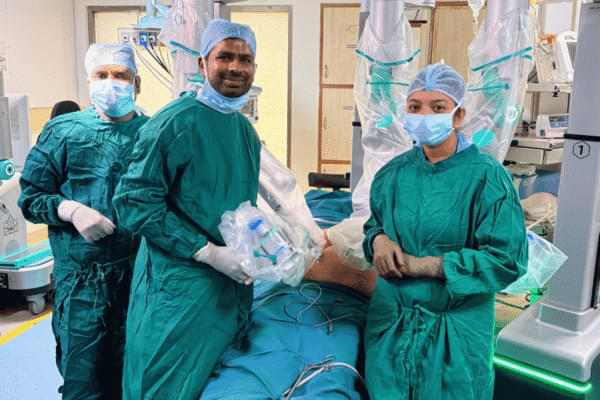
Gastrointestinal (GI) cancers encompass a diverse group of malignant tumors affecting the digestive tract and accessory digestive organs. Because GI oncology is highly complex, modern treatment protocols require a collaborative, stage-specific strategy. Surgical intervention remains the primary foundation for a permanent cure, aiming for complete margin-free resection of the primary tumor along with meticulous clearing of the regional lymph nodes.
Comprehensive Care for Gastrointestinal Malignancies
Esophageal & Gastric (Stomach) Cancers
Malignancies of the upper digestive tract frequently present as progressive difficulty swallowing (dysphagia) or rapid weight loss. Surgical management involves precise removal of the affected segment (esophagectomy or gastrectomy) followed by recreating a functional digestive conduit using advanced laparoscopic or robotic stapling techniques.
Colorectal Cancers (Colon & Rectum)
Tumors developing within the large intestine and rectum require strict adherence to embryological tissue planes. We utilize Total Mesorectal Excision (TME) and complete mesocolic excision to remove the cancer along with its intact lymphovascular envelope, minimizing local recurrence while preserving critical pelvic autonomic nerves.
Pancreatic & Biliary Malignancies
Tumors involving the head of the pancreas or the bile ducts require highly complex resections, such as the Whipple Procedure (Pancreaticoduodenectomy). This involves removing the pancreatic head, duodenum, gallbladder, and part of the bile duct, followed by complex multi-organ reconstruction near major abdominal blood vessels.
Hepatic (Liver) Tumors
Primary liver cancers (HCC) or metastatic lesions spreading from colorectal sites are treated using anatomical or non-anatomical liver resections. These procedures are precisely calculated using pre-operative volume metrics to ensure an adequate, healthy functional liver remnant remains behind.
The Multidisciplinary Tumor Board Protocol
No cancer is treated in isolation. Every single GI cancer case undergoes a mandatory review through a specialized Multidisciplinary Tumor Board Discussion before any definitive therapy begins.
This board unites surgical oncologists, medical oncologists, radiation oncologists, radiologist specialists, and pathologists to analyze the patient’s specific health parameters. Together, they create an integrated, personalized treatment sequence that may combine:
Neoadjuvant Therapy: Delivering chemotherapy or radiotherapy prior to surgery to shrink large or locally advanced tumors, making them safer and easier to remove completely.
Oncological Surgery: Performing radical, clear-margin surgical removal of the tumor mass and its corresponding lymph node basins.
Adjuvant Therapy: Administering systemic chemotherapy, immunotherapy, or targeted radiation after surgery to eliminate any microscopic cancer cells left behind and reduce the risk of future recurrence.

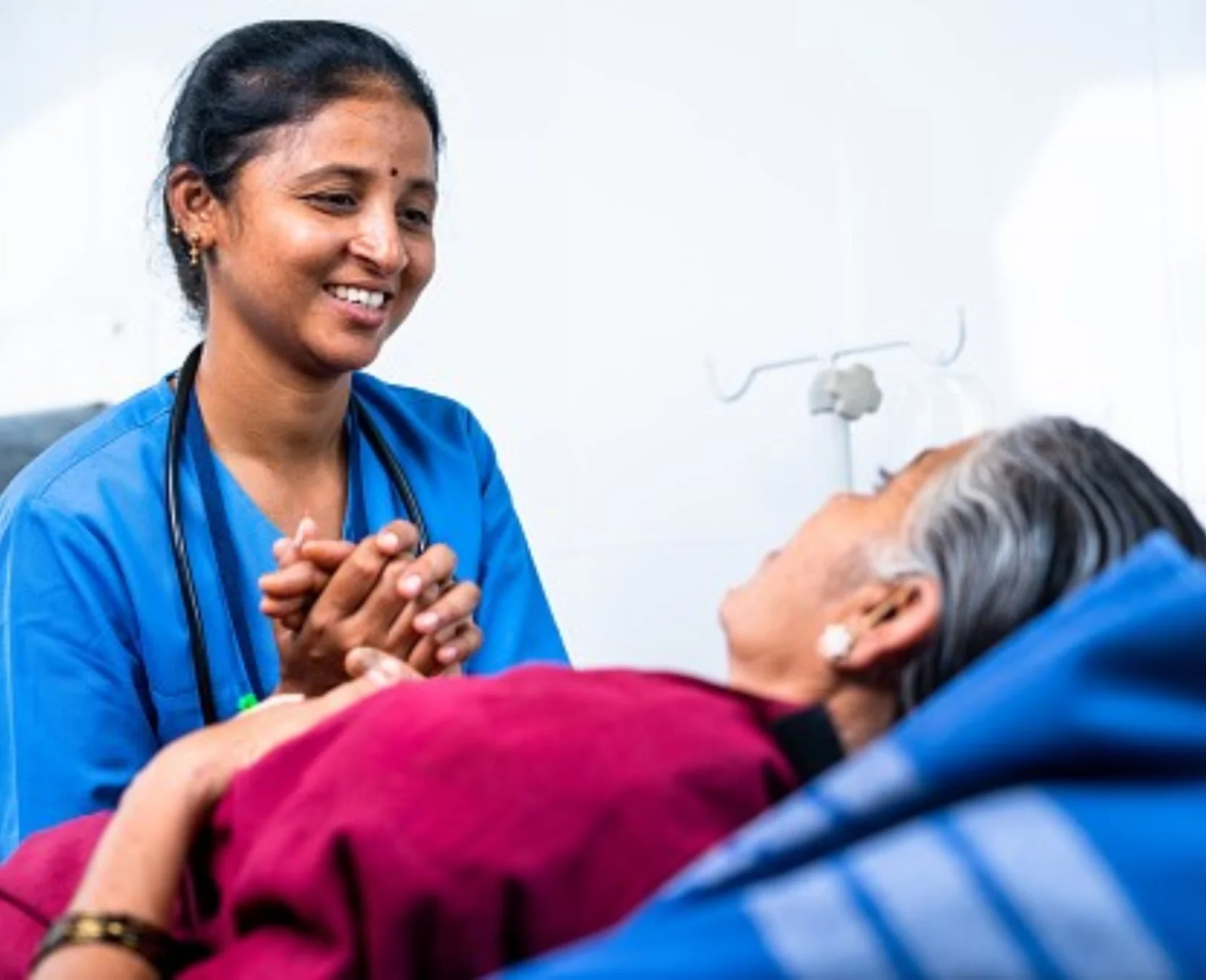
A cancer diagnosis brings immediate emotional and psychological strain for both the patient and their family. Recognizing and addressing this vulnerability is an indispensable component of successful clinical care.
Our team prioritizes direct, transparent, and empathetic communication to demystify the staging and treatment process. By guiding families through a clear, step-by-step therapeutic roadmap, we help reduce the initial panic and foster the psychological acceptance and mental resilience required to face and complete the treatment plan with confidence.
Meet Dr Sourabh Damani
GI Cancer Specialist
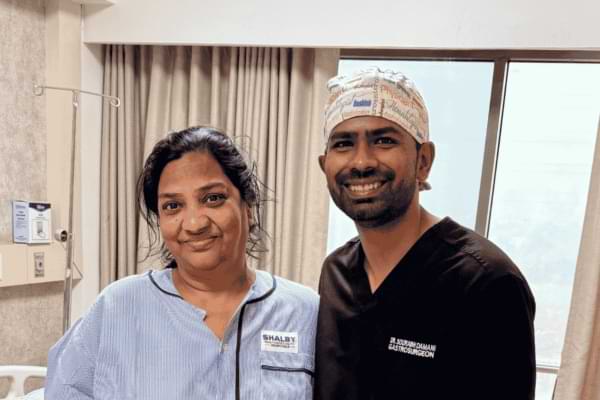
Practicing as a Consultant Gastrointestinal and Minimal Access Surgeon in Ahmedabad, Dr. Sourabh Damani specializes in complex GI surgical oncology, advanced lymphadenectomy, and multi-modal cancer workflows.

Trained extensively in radical gastrointestinal cancer surgeries at premier tertiary institutions, focusing on oncologically complete, margin-free resections.
Performs laparoscopic and open resections for colorectal, gastric, esophageal, and pancreatic malignancies.
Coordinates directly with leading medical and radiation oncologists within structured Tumor Board setups to deliver evidence-based, sequential care.
Emphasizes meticulous anatomical dissection to maximize regional lymph node clearance while preserving long-term organ functionality and nerve integrity.
GI Cancer Surgery: Frequently Asked Questions
What does it mean when a surgeon talks about achieving "clear margins"?
When removing a tumor, the surgeon cuts out the cancer along with a surrounding border of healthy, normal tissue. This healthy border is called the margin. A pathologist examines this tissue under a microscope after surgery. If the outer edges are completely free of cancer cells, it is classified as a “clear” or “negative” margin, indicating that the local tumor has been entirely removed.
Why is lymph node removal so important during a cancer operation?
Lymph nodes are small, bean-shaped structures that act as filters along the body’s immune channels. GI cancers frequently use these pathways to spread to other areas. Removing the regional lymph nodes draining the tumor site serves two vital roles: it eliminates hidden cancer cells to prevent a local return, and it allows the pathologist to accurately stage the cancer, which determines if further chemotherapy is necessary.
What is neoadjuvant therapy, and why is it given before surgery?
Neoadjuvant therapy refers to medical treatments like chemotherapy or radiation given before the main surgical operation. This is frequently recommended for locally advanced tumors to shrink the tumor mass away from vital blood vessels, treat microscopic disease early, and increase the likelihood of a successful, minimally invasive surgical removal.
How is nutrition managed after major surgery on the digestive tract?
Because surgery directly alters the organs responsible for digesting food, nutritional rehabilitation is carefully structured. Directly following the procedure, nutrition may be supported through specialized intravenous lines or a temporary feeding tube placed past the surgical site. As the internal connections heal, patients transition gradually from liquids to small, frequent, nutrient-dense solid meals under close dietician guidance.
Please bring all diagnostic materials, including high-resolution contrast CT scan discs and reports, endoscopy or colonoscopy data, definitive tissue biopsy slides or pathology blocks, and any prior oncology treatment summaries. The initial consultation focuses on reviewing staging accuracy and coordinating a multidisciplinary tumor board discussion to map out your therapeutic timeline.