Lower GI Cancer Surgery in Ahmedabad
Surgical treatment for cancers of the colon, rectum and anus.
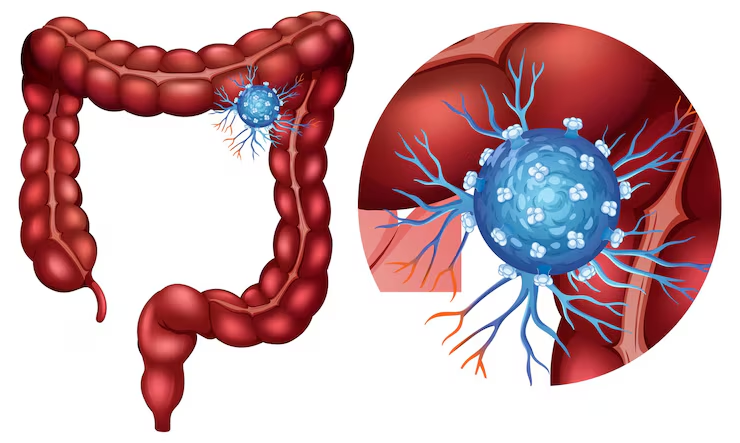
Lower gastrointestinal cancers affect the large intestine and rectum. Surgery is the main treatment for many colon and rectal cancers. The type of operation depends on the location of the tumour, its stage and the patient’s overall condition.
Conditions We Treat
Colon Cancer
Colon cancer develops in the large intestine. Surgery involves removing the affected part of the colon together with its blood supply and nearby lymph nodes.
Rectal Cancer
Rectal cancer develops in the last part of the large intestine. Depending on the location of the tumour, surgery may preserve the anal sphincter or require a different operation.
Recurrent Colorectal Cancer
Some patients develop recurrent disease after previous treatment. These cases require detailed assessment before planning further surgery.
Anal Cancers
Certain patients with anal cancer may require surgery as part of their treatment after evaluation by the treating team.
How Treatment is Planned
Every patient is assessed individually before treatment is planned. The process begins with a detailed review of medical history, physical examination, blood investigations, colonoscopy findings, biopsy reports, and imaging studies such as CT scans or MRI scans. These help determine the location of the tumour, its size, the extent of spread, and whether nearby lymph nodes or other organs are involved.
Based on these findings, the stage of the cancer is determined. Depending on the diagnosis, treatment may involve surgery alone or a combination of chemotherapy, radiotherapy, and surgery. The sequence of treatment varies from patient to patient and is decided after reviewing all available clinical and diagnostic information.

Surgical Procedures
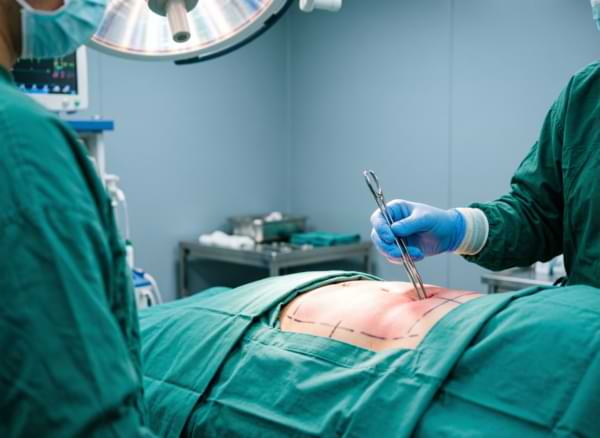
- Right Hemicolectomy
- Left Hemicolectomy
- Sigmoid Colectomy
- Low Anterior Resection
- Abdominoperineal Resection
- Total Mesorectal Excision (TME)
- Laparoscopic Colorectal Surgery
- Robotic Colorectal Surgery
Meet Dr Sourabh Damani
Lower GI Cancer Specialist
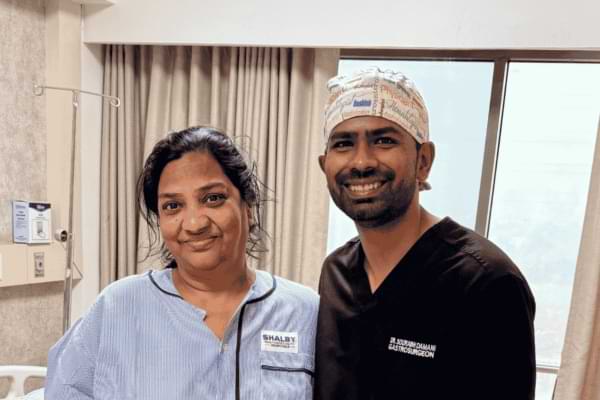
Dr. Sourabh Damani performs surgery for cancers of the colon and rectum using laparoscopic, robotic and open techniques. The choice of procedure depends on the location and stage of the tumour, along with the patient’s overall condition. When required, treatment is planned in coordination with medical and radiation oncologists as part of a multidisciplinary team.

Advanced training in colorectal, gastrointestinal and minimally invasive surgery at leading surgical centres in India.
Performs laparoscopic, robotic and open surgery for colon and rectal cancers, including procedures for early and advanced disease.
Experience in colorectal procedures such as right and left hemicolectomy, sigmoid colectomy, low anterior resection and abdominoperineal resection where indicated.
Focuses on complete tumour removal with appropriate lymph node dissection while preserving bowel function and surrounding pelvic structures whenever possible.
Lower GI Cancer Surgery: Frequently Asked Questions
What are the symptoms of colon cancer?
Common symptoms include bleeding in the stool, changes in bowel habits, abdominal pain, weight loss and unexplained anaemia.
What is Total Mesorectal Excision (TME)?
TME is a surgical technique used during rectal cancer surgery to remove the rectum along with the surrounding fatty tissue that contains lymph nodes.
Will I need a stoma?
Not every patient requires a stoma. The need depends on the location of the tumour and the type of surgery.
Can colon cancer be treated laparoscopically?
Many patients are suitable for laparoscopic surgery. The decision depends on the size and stage of the tumour and other medical factors.
Discuss Your Colon or Rectal Cancer Treatment
If you have been diagnosed with colon or rectal cancer, schedule a consultation with Dr. Sourabh Damani. Colonoscopy findings, biopsy reports and imaging studies will be reviewed to determine the most suitable surgical plan for your condition.