Upper GI Cancer Surgery in Ahmedabad
Surgical treatment for cancers affecting the food pipe, stomach, liver, pancreas and bile ducts.
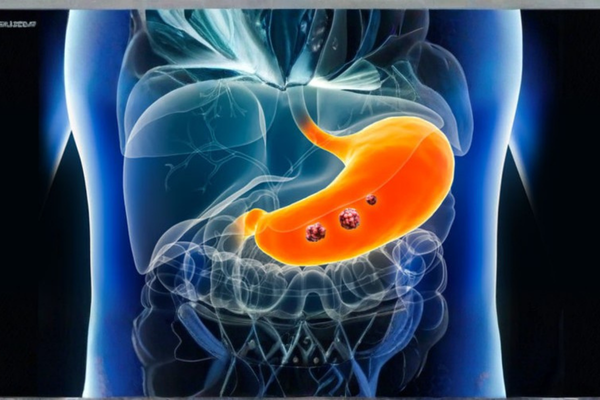
Upper gastrointestinal (GI) cancers develop in the organs that form the upper part of the digestive system. These include the esophagus (food pipe), stomach, liver, pancreas and bile ducts. Treatment depends on the type of cancer, its stage and the patient’s overall health. Surgery is often the main treatment and may be combined with chemotherapy or radiotherapy when required.
Conditions We Treat
Esophageal Cancer
Cancer of the food pipe may cause difficulty swallowing, weight loss and pain while eating. Surgery involves removing the affected portion of the esophagus and restoring the passage for food using the stomach or intestine.
Stomach Cancer
Stomach cancer may present with loss of appetite, weight loss, persistent indigestion or bleeding. Depending on the tumour, surgery may involve removing part or all of the stomach along with nearby lymph nodes.
Gastroesophageal Junction Cancer
These cancers occur where the food pipe meets the stomach. The type of surgery depends on the location and extent of the tumour.
Liver Cancer
Selected patients with liver cancer may benefit from liver resection. Before surgery, imaging studies and liver function are carefully assessed to determine whether enough healthy liver will remain.
Pancreatic Cancer
Cancer affecting the head of the pancreas may require a Whipple procedure, while tumours in the body or tail of the pancreas are treated with other types of pancreatic resection.
Bile Duct Cancer
Cancer of the bile ducts often requires removal of the affected bile duct along with nearby tissues and lymph nodes. The procedure depends on where the tumour is located.
How Treatment is Planned
Every patient is different. Imaging scans, biopsy reports, and blood tests are reviewed before deciding the treatment plan. Some patients undergo surgery first, while others may need chemotherapy or radiotherapy before surgery. Depending on the stage of the disease and the findings of surgery, some patients may also require chemotherapy or radiotherapy after surgery.
Surgical Procedures
- Esophagectomy
- Gastrectomy
- Liver Resection
- Whipple Procedure
- Distal Pancreatectomy
- Bile Duct Resection
- Lymph Node Dissection
- Laparoscopic Surgery
- Robotic Surgery
Meet Dr Sourabh Damani
Upper GI Cancer Specialist
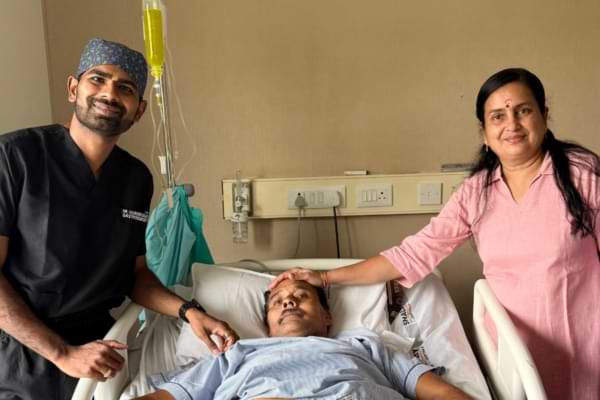
Dr. Sourabh Damani treats upper gastrointestinal cancers using laparoscopic, robotic and open surgical techniques depending on the condition. His practice includes surgery for cancers of the esophagus, stomach, liver, pancreas and bile ducts. He works with medical and radiation oncologists whenever combined treatment is required.

Advanced training in upper gastrointestinal, hepatopancreatobiliary and minimally invasive surgery at leading surgical centres in India.
Performs surgery for esophageal, gastric, liver, pancreatic and biliary cancers using laparoscopic, robotic and open techniques where appropriate.
reatment planning is carried out in coordination with medical oncologists, radiation oncologists, radiologists and pathologists for patients requiring combined cancer care.
Focuses on complete tumour removal with appropriate lymph node dissection while preserving surrounding organs and important anatomical structures whenever possible.
Upper GI Cancer Surgery: Frequently Asked Questions
Is surgery required for every stomach cancer?
No. The treatment depends on the stage of the cancer. Some patients receive chemotherapy before surgery, while others may undergo surgery first.
What is an esophagectomy?
It is an operation to remove the diseased portion of the food pipe and restore the passage for swallowing.
Can liver cancer be removed with surgery?
Some liver cancers can be treated with surgery if enough healthy liver remains after the operation.
How long is the hospital stay?
The duration depends on the type of operation and the patient’s recovery.
Need an Opinion on Upper GI Cancer Surgery?
If you have been diagnosed with cancer of the esophagus, stomach, liver, pancreas or bile ducts, bring your reports for a detailed surgical consultation. Your scans, biopsy reports and previous treatment records will be reviewed before discussing the available treatment options.