
Gastrointestinal Emergency Surgery in Ahmedabad
Immediate surgical stabilization, advanced endoscopic hemostasis, and exploratory laparotomy or laparoscopy for acute abdominal emergencies, including visceral perforations, mechanical bowel obstructions, severe GI hemorrhages, and necrotizing pancreatitis.
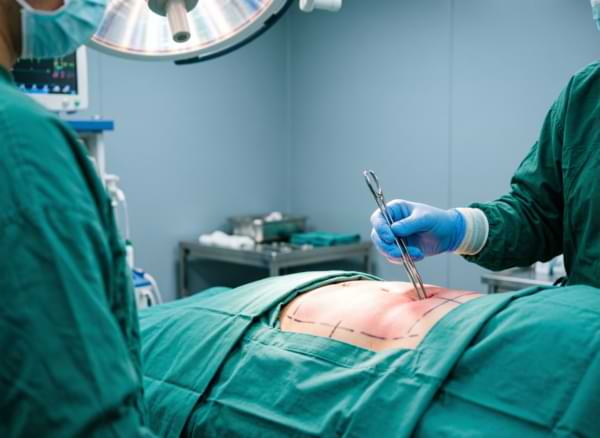
Gastrointestinal emergencies involve acute, rapidly progressive structural or vascular breakdowns within the abdominal cavity. Unlike elective cases that permit weeks of preparation, these conditions present with sudden systemic decompensation and require urgent surgical or endoscopic intervention to prevent severe sepsis, multi-organ failure, or life-threatening internal hemorrhage.
Critical Conditions Requiring Emergency Gastrointestinal Surgery
Visceral Perforation (Perforated Bowel)
A structural tear or hole developing in the wall of the stomach, small intestine, or colon—frequently caused by neglected peptic ulcers, severe diverticulitis, or blunt abdominal trauma. This allows highly caustic digestive enzymes, acid, and fecal matter to spill directly into the sterile peritoneal cavity, causing immediate, severe chemical peritonitis and rapidly progressing bacterial sepsis.
Acute Mechanical Bowel Obstruction
A physical blockage of the small or large intestine, commonly driven by dense post-surgical adhesions, intestinal twisting (volvulus), or impacted tumors. The obstruction cuts off the forward flow of digestive contents, causing severe loop distension, progressive vomiting, and a critical compromise of the intestinal blood supply (strangulation), which leads to tissue gangrene and rupture if left unrelieved.
Massive Gastrointestinal Hemorrhage
Severe, rapid internal bleeding originating from the upper GI tract (such as ruptured esophageal varices or deep bleeding peptic ulcers) or the lower GI tract. Massive blood loss presents as vomiting blood (hematemesis) or passing dark tarry stools, quickly depleting the patient’s circulatory volume and requiring immediate mechanical or thermal stabilization of the bleeding vessels.
Necrotizing Pancreatitis Complications
A severe complication of acute pancreatitis where significant portions of pancreatic tissue lose their blood supply and die (necrosis). This dead tissue is highly prone to becoming infected, forming large, walled-off fluid collections or abscesses that trigger profound systemic inflammatory responses and require urgent surgical clearance.
Emergency Gastrointestinal Procedures We Perform
Gastrointestinal emergencies require a highly structured, rapid-response surgical approach. We utilize a combination of urgent therapeutic endoscopy, minimally invasive laparoscopy, and traditional open surgery depending on the patient’s hemodynamic stability.
Endoscopic Hemostasis (For Active GI Bleeding)
An immediate, non-surgical intervention performed via high-definition endoscopy to locate and halt active upper or lower GI tract bleeding. The surgeon utilizes specialized mechanical clips, thermal coagulation probes, or the injection of vasoconstricting medications directly into the bleeding vessel to secure immediate hemostasis and avoid the need for a major open operation.
Urgent Exploratory Laparotomy or Laparoscopy
Immediate abdominal access to locate the source of bleeding or infection and perform definitive repair.
Perforations: Suture repair of the tear, Graham patch reinforcement, and a sterile saline abdominal washout.
Obstructions: Division of constricting scar tissue or surgical resection of non-viable bowel via anastomosis or a temporary stoma.
Pancreatic Necrosectomy & Abscess Drainage
The careful surgical removal of infected, dead pancreatic tissue to halt systemic sepsis. This is combined with the placement of wide-bore surgical drains to provide continuous clearance of infected fluids, allowing the surrounding retroperitoneal tissues to gradually heal.
The 6-Step Emergency Surgery Management Pathway
When an acute abdominal emergency arrives, our clinical workflow moves through an established, high-efficiency protocol to maximize patient safety:
1.Immediate Clinical Assessment:
Minutes 0–15
A rapid bedside evaluation of airway, breathing, and circulatory parameters is performed alongside a focused abdominal examination to check for rigidity, guarding, and rebound tenderness.
2. Hemodynamic Stabilization
Concurrent Action
Large-bore intravenous lines are secured immediately to initiate rapid crystalloid fluid resuscitation, cross-matched blood transfusions if hemorrhaging, and empirical broad-spectrum intravenous antibiotics to combat sepsis.
3.Targeted Emergency Diagnostics
Minutes 15–45
Stat laboratory panels (including arterial blood gas, lactate levels, and coagulation profiles) are processed alongside rapid high-resolution erect abdominal X-rays or contrast-enhanced CT scans to confirm free air or mechanical blocks.
4.Definitive Interventional Execution
Urgent Deployment
The patient is transferred directly to the operating suite or endoscopy unit. The surgeon performs targeted endoscopic sealing, laparoscopic repair, or an open laparotomy based on the underlying structural defect.
5.Customized Post-Operative Plan:
ICU Transition
Following structural repair, the patient is transitioned to an intensive care setup focused on targeted fluid balance, broad-spectrum antibiotic narrowing based on culture results, and continuous pain management.
6. Continuous Vigilance & Monitoring
Ongoing Care
Continuous monitoring of urine output, inflammatory markers, and abdominal drain outputs is maintained to screen for early signs of recurrent infection, anastomotic leaks, or organ dysfunction.
Meet Dr Sourabh Damani
Gastrointestinal Surgeon
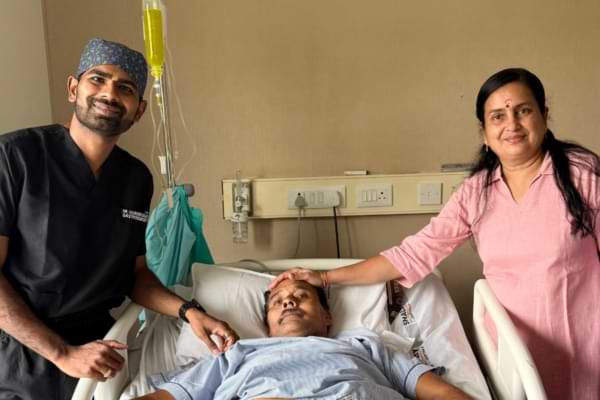
Practising as a Gastrointestinal and Laparoscopic Surgeon in Ahmedabad, with extensive experience in managing acute abdominal emergencies, advanced trauma resuscitation, and critical care surgery.

Maintains specialized expertise in rapid-response surgical workflows for bowel perforations, acute peritonitis, and strangulated hernias.
Performs urgent therapeutic endoscopy for mechanical GI hemostasis and complex necrosectomy for infected pancreatic collections.
Focuses on definitive source control and thorough peritoneal decontamination to minimize post-operative septic complications.
Coordinates directly with specialized intensive care units to manage advanced post-operative metabolic and fluid stabilization pathways.
Emergency Surgery: Frequently Asked Questions
How does an emergency abdominal surgery differ from a planned (elective) surgery?
A planned surgery is scheduled weeks in advance, allowing ample time to optimize nutritional status, adjust long-term medications, and complete comprehensive vaccinations or medical clearances. An emergency surgery must be performed within hours—or sometimes minutes—of admission because any delay directly threatens the patient’s life. The primary focus of emergency surgery is immediate life-saving source control, such as stopping a massive bleed or closing an intestinal leak.
What is a bowel resection, and when is a temporary stoma necessary?
A bowel resection is the surgical removal of a diseased, damaged, or dead portion of the intestine. In emergency settings where there is severe bacterial contamination from a perforation or where the patient’s blood pressure is unstable, it may be unsafe to stitch the healthy ends of the bowel back together immediately. In these scenarios, the surgeon brings the healthy end of the intestine through an opening in the abdominal wall (a stoma) to drain into an external bag safely. This stoma is typically temporary and can be reversed in a subsequent planned procedure once the abdomen has fully healed.
What does the recovery look like after emergency surgery for peritonitis?
Recovery after a severe abdominal infection (peritonitis) is more intensive than an elective recovery. Patients usually spend the first few days in an intensive or high-dependency care unit receiving continuous intravenous antibiotics, pain management, and fluid support. Normal bowel function can take several days to return, during which nutrition is managed carefully. Complete physical wound healing and a return to normal energy levels typically take 6 to 8 weeks, depending on the severity of the initial infection.
Emergency Surgical Evaluation and Admission
Emergency gastrointestinal evaluations are initiated immediately upon arrival through our acute care pathway. Please ensure that any available previous medical records, current prescription lists, and recent external scans are handed directly to the triage team upon entry to expedite the diagnostic timeline.