Bariatric and Metabolic Surgery in Ahmedabad
Advanced laparoscopic minimally invasive weight loss procedures, including sleeve gastrectomy, gastric bypass, and intragastric balloon placements, planned around body mass index parameters, metabolic profiling, and comprehensive nutritional assessments.
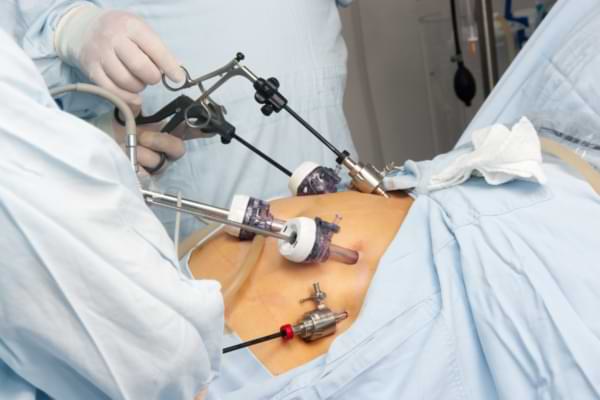
Bariatric surgery encompasses specialized surgical procedures designed to alter the anatomy of the stomach and small intestine. It is a highly effective clinical option for individuals with severe obesity when conventional approaches like diet and exercise have not provided lasting results. Rather than acting as a cosmetic fix, these operations biochemically reset hunger signals, alter gut hormones, and improve metabolic disease profiles.Robotic surgery is a highly refined evolution of standard laparoscopy. It does not replace the surgeon; rather, it functions as an advanced instrument interface controlled entirely by the operating surgeon. By translating the surgeon’s natural hand movements into micro-movements inside the abdomen, the robotic platform allows for precision, flexibility, and spatial control that cannot be achieved through traditional straight-stick laparoscopic instruments.
Bariatric Surgery Addresses More Than Just Weight Loss
Metabolic Syndrome & Type 2 Diabetes
Severe obesity is heavily linked to insulin resistance. By altering gastrointestinal pathway hormones, bariatric interventions frequently trigger immediate improvements or complete clinical remission of Type 2 diabetes, often before significant weight is even lost.
Hypertension & Cardiovascular Burden
Excess body fat increases arterial resistance and places a continuous workload on the heart. Sustainable weight reduction following surgery relieves this structural strain, leading to the systemic reduction or elimination of blood pressure medications in up to 63% of patients.
Obstructive Sleep Apnea
Fat deposits around the upper airway can cause it to collapse repeatedly during sleep, disrupting oxygen levels and raising the risk of sudden cardiac events. Weight clearance resolves or significantly diminishes severe sleep apnea in up to 98% of cases.
Non-Alcoholic Fatty Liver Disease (NAFLD)
The accumulation of excess fat within liver cells can trigger inflammation, tissue scarring (cirrhosis), and eventual liver dysfunction. Inducing a controlled calorie reduction via surgery halts fat storage and allows the liver tissue to recover.
Bariatric Procedures We Perform
Every patient’s metabolic profile and eating patterns vary. The specific surgical or non-surgical intervention is chosen based on individual health parameters, body mass index (BMI), and underlying metabolic diseases.
Laparoscopic Sleeve
Gastrectomy
The Restrictive Approach
The surgeon removes roughly 75% to 80% of the left side of the stomach using specialized surgical staplers, shaping the remaining stomach into a narrow, vertical sleeve similar to a banana.
This procedure restricts the total volume of food that can be consumed at one time, inducing early fullness (satiety). More importantly, it removes the section of the stomach responsible for producing ghrelin (the primary hunger hormone), significantly lowering appetite. Weight loss after a sleeve gastrectomy typically ranges from 30% to 80% of excess body weight within 18 to 24 months.
Laparoscopic Roux-en-Y
Gastric Bypass (RYGB)
Restrictive & Malabsorptive
A dual-action procedure where the upper section of the stomach is separated to form a small thumb-sized pouch, severely limiting food capacity. The small intestine is then divided, and one end is brought up to connect directly to this new pouch, creating a “Y” pathway.
Food completely bypasses the remaining lower stomach and the first section of the small intestine, restricting both portion size and calorie absorption. This method yields a highly powerful hormonal shift, leading to an average loss of roughly 70% of excess body weight over 2 years, making it highly effective for patients with severe Type 2 diabetes or chronic acid reflux.
Intragastric Balloon Placement
Non-Surgical Alternative
A temporary, non-surgical option for patients who require assistance starting a weight management routine or need to reduce weight safely before undergoing a formal surgical procedure.
Under mild sedation, a soft, deflated silicone balloon is guided through the mouth and down the esophagus into the stomach using an endoscope. Once inside, the balloon is inflated with a sterile saline solution. It occupies space within the stomach to create a baseline sensation of fullness, limiting oral portion capacity. The balloon is a short-term tool that is safely removed endoscopically after 6 months.
The Actual Clinical Benefits of the Robotic Approach
A structured multi-specialty evaluation ensures absolute clinical safety and sets up the behavioral parameters needed for long-term weight maintenance.
Clinical Eligibility Assessment
Patients are evaluated based on established medical criteria: a Body Mass Index (BMI) of 40 or higher, or a BMI of 35 or higher accompanied by at least one obesity-related medical condition such as severe hypertension or Type 2 diabetes.
Medical & Metabolic Screening
Comprehensive blood panels are performed to evaluate thyroid function, liver health, lipid levels, and baseline nutritional stores. Specialized cardiac and respiratory checks, including sleep studies, are conducted to minimize anesthesia risks.
Nutritional & Psychological Counseling
Meetings with specialized dieticians and counselors are scheduled to discuss the permanent lifestyle and dietary changes required after surgery. Any tobacco, alcohol, or substance use must be completely stopped prior to clearance.
Pre-Operative Shrink Diet
Patients follow a structured, low-carbohydrate liquid or semi-solid diet for 2 to 3 weeks directly before the operation. This protocol reduces the internal fat store within the liver, causing it to shrink in size, which provides the surgeon with a safer, clearer view of the upper stomach during laparoscopy.
Recovery and Long-Term Post-Operative Care
Post-bariatric recovery is an active process that prioritizes protecting the new internal staple lines while managing a progressive shift back toward solid nutrition.
Laparoscopic patients begin walking within hours of the procedure to optimize lung capacity and stimulate circulation. Oral intake is limited strictly to small, frequent sips of clear liquids once bowel function is clinically verified. Most patients transition home within 48 to 72 hours.
The diet graduates from clear liquids to full liquids and thin, smooth purées. Meals must be consumed slowly, avoiding any carbonated beverages or straws, which can introduce gas and stretch the healing stomach pouch.
Patients introduce soft, mashed solid foods gradually, tracking their individual tolerance. Regular daily walking is highly encouraged, but heavy physical straining and core abdominal exercises remain restricted to safeguard the incisions.
Regular clinical follow-up visits and metabolic blood checks are mandatory throughout the first year to track weight progression and screen for any micro-nutrient or vitamin deficiencies. Because food volume is restricted, lifelong daily multivitamin, iron, and calcium supplementation is started.
Meet Dr. Sourabh Damani
Bariatric And Metabolic Surgeon

Practicing as a gastrointestinal and laparoscopic surgeon in Ahmedabad, with specialized training in advanced metabolic surgery, minimal access reconstructions, and comprehensive bariatric workflows.

Performs laparoscopic sleeve gastrectomy, Roux-en-Y gastric bypass, and endoscopic intragastric balloon interventions.
Conducts thorough pre-operative preparation pathways involving multi-specialty medical, nutritional, and physical profiling.
Focuses on metabolic surgery protocols aimed at achieving clinical remission for Type 2 diabetes and non-alcoholic fatty liver disease.
Structure long-term post-bariatric surveillance to monitor nutritional preservation, metabolic stability, and sustainable weight maintenance.
Bariatric Surgery: Frequently Asked Questions
Will my stomach stretch back to its original size over time?
The newly created stomach pouch or sleeve can stretch slightly if a person routinely forces large quantities of food past the point of comfortable fullness. However, it will never return to its original large size. To maintain long-term success, it is essential to follow the lifestyle guidelines of eating small, nutrient-dense meals and stopping as soon as you feel full.
Is it necessary to take vitamins permanently after weight loss surgery?
Yes. Because bariatric procedures either decrease the size of the stomach (limiting the production of essential absorption factors) or bypass a portion of the small intestine where vitamins are absorbed, your body can no longer take in enough nutrients from food alone. Lifelong daily intake of specialized bariatric multivitamins, iron, calcium, and Vitamin B12 is mandatory to prevent long-term deficiencies.
What is the difference between liposuction and bariatric surgery?
Liposuction is a cosmetic procedure that removes localized fat deposits directly from underneath the skin around specific areas like the abdomen or thighs to change body contouring; it does not impact your health, metabolism, or internal organs. Bariatric surgery is a clinical metabolic procedure that alters the digestive system to treat severe obesity, reduce overall fat mass, and reverse serious internal conditions like diabetes and heart disease.
Can I become pregnant after undergoing bariatric surgery?
Yes, and weight reduction significantly improves fertility and reverses symptoms of conditions like Polycystic Ovary Syndrome (PCOS). However, women are strictly advised to avoid getting pregnant for 12 to 18 months following bariatric surgery. During this window, your body is undergoing rapid weight loss and nutritional shifts, and waiting ensures the body stabilizes completely to safely support a developing pregnancy.
Book an Appointment for Bariatric Evaluation in Ahmedabad
Please bring all prior medical reports, list of current medications for blood pressure or diabetes, recent blood panel summaries, and any documentation of past structured weight loss efforts. The initial consultation focuses on an objective evaluation of your BMI and metabolic profile to determine the safest and most sustainable surgical path forward.